If you run an e-commerce brand, buy wholesale, or manufacture custom products, Alibaba is almost certainly part of your supply chain strategy. It is the largest B2B directory in the world, and for the most part, it works well.
However, "legitimate platform" does not mean "100% safe suppliers."
Most buyers on Alibaba do not get scammed by fake suppliers who steal their money and vanish into thin air. Modern B2B scams are far more subtle. They show up as product quality drops, fake paperwork, hidden price increases, and shipping delays that wreck your product launch.
In this guide, we break down the 8 most common Alibaba scams, why standard platform guarantees often fall short, and how you can protect your profits before paying your next deposit.
Avoiding these traps is a major pillar of mastering the China sourcing process, for more tips, check it out!
Table of Contents
1. The 8 Common Alibaba Scams and How to Spot Them
Scam 1: The "Bait-and-Switch" Quality Trap: The Golden Sample vs. Subpar Mass Production
How it happens: You order a sample. It arrives quickly, feels premium, and meets all your specifications. Confident in the product, you place a $15,000 order. Two months later, your container arrives at your warehouse, but the quality is nowhere near the sample. The materials feel cheaper, stitching is loose, or electronic components fail early.
Why suppliers do it: Crafting a handful of high-quality samples in-house is easy and cheap. Manufacturing thousands of units at that same standard is expensive. To boost their profit margins, suppliers switch to lower-grade raw materials or outsource your main order to cheap subcontractor workshops without telling you.
How to avoid it:
Keep your approved sample signed and dated as a Golden Sample.
Write clear Acceptable Quality Limit (AQL) standards into your Purchase Order (e.g., AQL 2.5 for major defects).
State clearly that final balance payment is strictly contingent on a successful Pre-Shipment Inspection (PSI).
Scam 2: The "Verified" Misunderstanding: False Confidence in Platform Badges
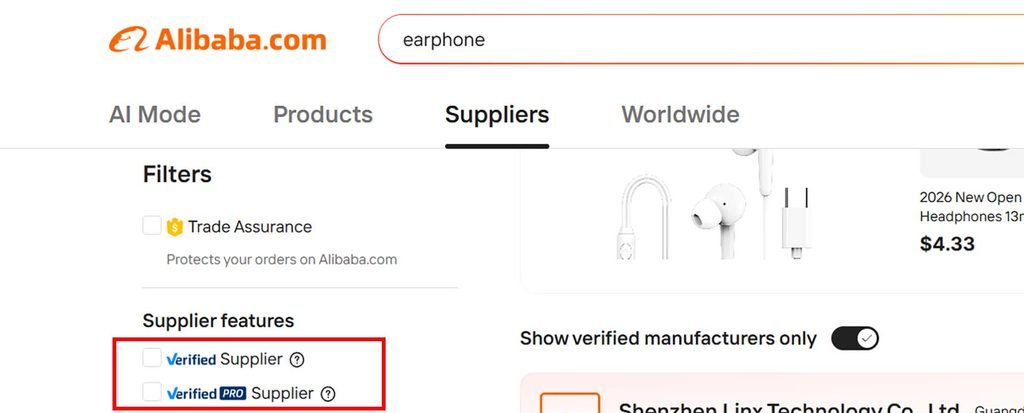
How it happens: A buyer searches for a product, filters for "Verified Supplier," and assumes those badges guarantee product quality, ethical labor, and reliable lead times.
Why suppliers do it: Suppliers know overseas buyers treat these badges as a seal of approval, traders can also obtain this certification, provided they pay for it.
The reality is: Verified Supplier is simply a paid annual membership fee that the factory pays to Alibaba, means an independent inspector checked their business license, physical office address, and basic operations. It does NOT mean Alibaba tests their products or guarantees their manufacturing standards. The vast majority of "Verified Suppliers" are still just traders; however, given that they have invested more capital than typical merchants, they might be considered slightly more credible.
How to avoid it: Treat platform badges as a bare minimum starting point, not proof of quality. Always run independent background checks on their business scope and manufacturing capacity.
Scam 3: Off-Platform Payment Redirects: Losing Your Payment Protection
How it happens: You negotiate an order via Alibaba Messenger. Just before you pay, the sales rep says: "Our Alibaba account is undergoing a routine audit this week. Please wire the 30% deposit to our private account (or Wise / Western Union / offshore personal account). We can discount 3% to cover your wire fee."
Why suppliers do it: Once you send money outside Alibaba’s official system, you lose all Trade Assurance protection and buyer recourse. If the factory disappears or sends defective goods, you cannot open a claim.
How to avoid it:Never pay off-platform on your first few orders with a new supplier. Pay only through Alibaba Trade Assurance or directly to the verified corporate bank account that matches the company name on their official Chinese business license.
Scam 4: Trading Companies Posing as Direct Manufacturers: The Middleman Markup
How it happens: You communicate with a supplier who claims to own a massive 10,000-square-meter facility. Yet, their unit prices are higher than market average, lead times keep slipping, and their answers to basic technical questions sound vague.
Why suppliers do it: Trading companies want direct buyer contracts to take a 20% to 40% margin markup. They do not own production lines—they simply buy from local factories and resell to you.
Why this hurts you: Trading companies cannot control production schedules or quality checks on the shop floor. When problems happen during production, they act as an extra communication bottleneck rather than a solution.
How to avoid it:
Request an unannounced, live video call during Chinese working hours and ask them to walk through the active workshop.
Check their Chinese Business License. If their business scope list says "Sales/Trading" instead of "Manufacturing/Production", they are a trading company.
Scam 5: Fake or Altered Compliance Certificates: Risking Customs Seizures and Fines
How it happens: You buy items that require strict market compliance (CE, FDA, RoHS, FCC). The sales rep sends clean PDF test reports. You import the goods, but customs intercepts your shipment, audits the paperwork, and finds the certificates are fake, altered, or expired.
Why suppliers do it: Lab testing for international compliance can cost thousands of dollars per product line. Dishonest suppliers use Photoshop to edit an old certificate or use a report that belongs to a completely different factory.
How to avoid it: Never rely on PDF attachments alone. Take the report number and search for it directly in the official online database of the issuing laboratory (e.g., SGS, TÜV, Intertek, or Dekra).
Scam 6: Post-Deposit Price Escalation: Holding Your Capital Hostage
How it happens: You agree on pricing, sign a Proforma Invoice (PI), and wire a 30% deposit. A few weeks later, right before mass production starts, the sales rep emails you: "Raw material costs jumped significantly this week. We need to raise the price per unit by 18%, or we cannot start production."
Why suppliers do it: Perhaps the cost of raw materials has indeed risen, leaving him with no profit—or perhaps they simply know that you have already invested time and capital. They are exploiting the "sunk cost fallacy" to boost their profit margins.
How to avoid it:
Include a explicit clause in your contract stating that prices are fixed for the duration of the purchase order.
Specify that if the supplier backs out after receiving the deposit, they must refund the deposit in full within 5 business days.
Scam 7: Intellectual Property & Design Theft: Your Custom Product Sold to Competitors
How it happens: You spend months developing a custom product design, CAD drawings, or unique mold. You send your design files to an unvetted supplier for quoting. Three months later, you see your exact design listed on Amazon or Alibaba by a competitor—before your own product even hits the market.
Why suppliers do it: Factories want high-margin, proven designs. If they see a promising product design from an overseas client, they may manufacture extra units on the side and sell them to other buyers.
How to avoid it: Standard Western NDA (Non-Disclosure Agreement) forms hold little legal weight in Chinese courts. Before sharing proprietary CAD files or tooling specs, have suppliers sign an NNN Agreement (Non-disclosure, Non-use, Non-circumvention) enforceable under Chinese law.
Scam 8: The Shipping Delay and "Hostage Freight" Trap: Unexpected End-Mile Fees
How it happens: Your goods are finished, but the factory delays shipment for weeks under various excuses. Alternatively, they offer "cheap CIF shipping," but when the goods arrive at your destination port, you are hit with massive, surprise "local handling fees" from their shipping agent before they release the Bill of Lading (B/L).
Why suppliers do it: Some factories lock in lower product quotes by pairing them with hidden ocean/air freight markups through partner logistics agencies.
How to avoid it:
Buy under FOB (Free On Board) terms whenever possible.
Use your own freight forwarder or a local sourcing agent to handle logistics, customs, and port clearance directly.
Alibaba Trade Assurance is a helpful payment security feature, but relying on it as your only protection strategy is a mistake.
Disputes require solid proof before shipping: Once a container leaves China, proving that a minor defect ruined your batch is extremely difficult.
Returns are rarely practical: Even if Trade Assurance rules in your favor on a partial refund if you return the goods, shipping heavy freight back to China—and clearing Chinese import customs—is often impossibly expensive.
Contract details matter: If your Purchase Order lacks clear, written tolerance limits (e.g., exact color codes, dimensions, weight tolerances, and packaging specs), Alibaba arbitrators usually side with the factory.
Trade Assurance is a reactive safety net. To run a smooth business, you need proactive prevention.
3. How to Eliminate Sourcing Risks Completely
Reading about scams helps you spot obvious red flags. But managing overseas manufacturing across time zones, language barriers, and distance remains challenging.
This is why experienced importers use a "Boots on the Ground" strategy.
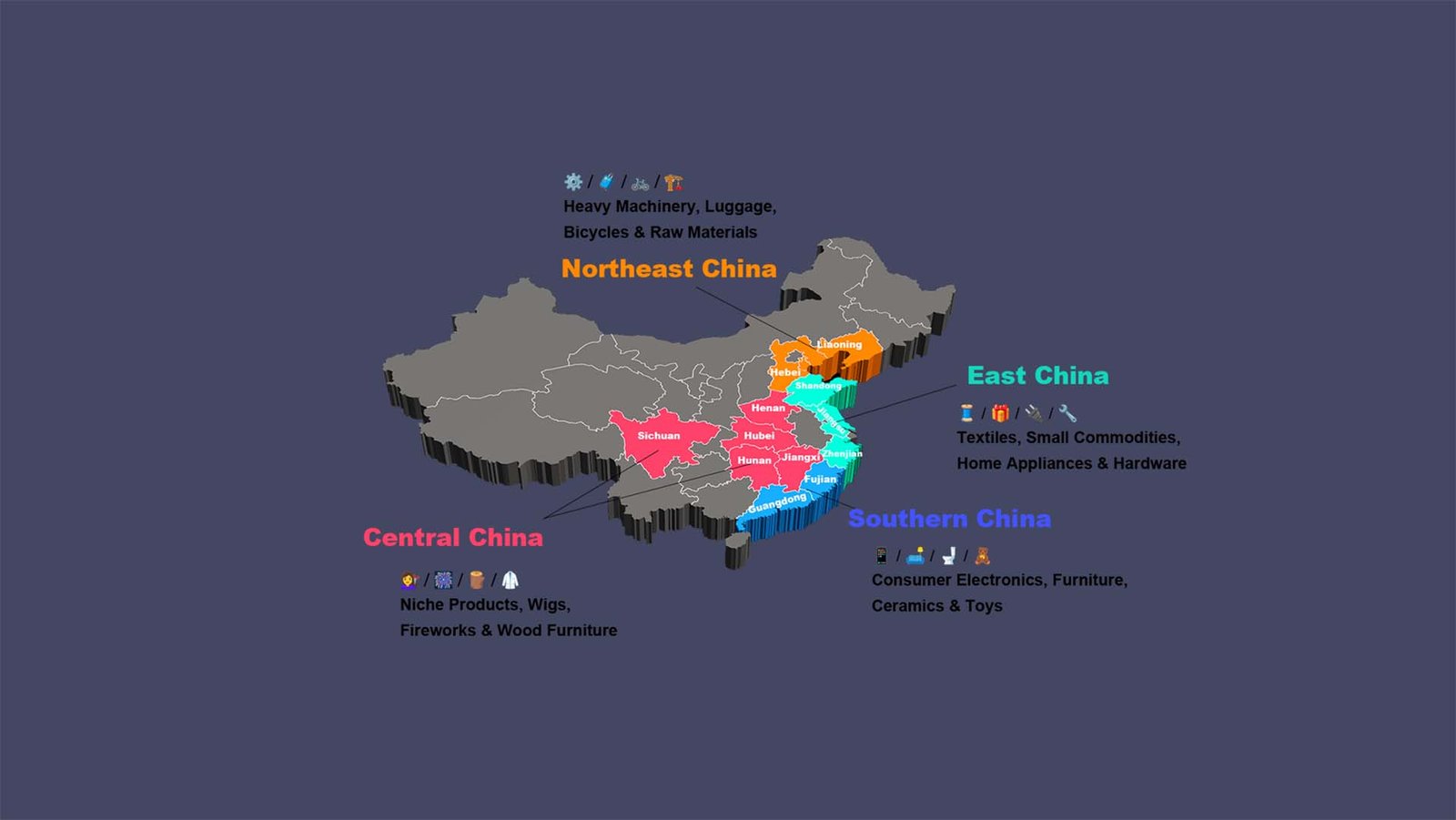
Having a trusted local team on the floor in South China (Shenzhen, Dongguan, Guangzhou) changes how suppliers treat you:
In-Person Factory Audits: Instead of relying on photos, a local agent visits the facility in person to check their real machines, staff levels, warehouse inventory, and legal paperwork before you pay a deposit.
Pre-Shipment Inspection (PSI): An inspector checks random samples from your actual mass production batch before you pay the 70% balance. If quality fails, the factory fixes it on their own dime before shipping.
Contract & Logistics Protection: Local teams negotiate using Chinese legal purchase agreements, set clear quality terms, and coordinate with reliable freight partners.
Hit a snag in sourcing? Click the button below to let GoJason's expert team step in.
Not in the sense of outright money theft—Trade Assurance protects against that. However, subtle "bait-and-switch" quality degradation is common. Suppliers often quote an ultra-low price to secure your deposit, then cut costs during mass production by using inferior materials or weaker quality control.
Stop chasing the lowest price: Unrealistically cheap quotes force suppliers to cut corners on raw materials and quality during mass production.
Always pay through the platform: Keep all transactions on Alibaba Trade Assurance to secure your deposit and dispute rights. If offline payment is unavoidable, hire a local sourcing agent to inspect the factory in person.
Start small: Never place a massive first order—always inspect paid samples and run a small trial order to test production quality first.
Trade Assurance is Alibaba’s built-in escrow and payment protection service. It holds your funds securely and covers your order if product quality or shipping dates don't match what was agreed upon in your contract. Learn more details directly on Alibaba's Official Trade Assurance Page .
Yes, if you used Trade Assurance. Alibaba evaluates chat records and physical evidence from both sides; if the supplier is at fault, you’ll get a full refund. Buyers with high platform credit scores may even receive an advance refund while the dispute is being reviewed.
Founded by Jason, helping businesses source from China with ease.
• Prime Supply Chain Location Office Based in Shenzhen China 2 kilometer from Shenzhen International Convention and Exhibition Center
• Experienced Local Team Backed by a team with years of foreign trade and sourcing expertise, helping you optimize every step of your China procurement.
Go Jason
Your sourcing assistant based in Shenzhen China
10+ years of South China foreign trade experience. Your boots-on-the-ground partner in Shenzhen for cost-effective, quality-guaranteed E-commerce & Sourcing.



Leave a Reply